Music Licensing Without the Headache
Every Australian business that plays music needs a licence. Here is how it works in plain English, why a personal streaming account is the wrong tool for a business, and how eJukebox makes the whole thing simpler.
We explain it, OneMusic sets it. OneMusic Australia decides licence types and fees and confirms what applies to your business.

Two licences. Two different jobs.
Most licensing confusion comes from blurring these two together. You need both, and they are paid in different places.
The right to supply the music
eJukebox is licensed to supply music to businesses - the same curated channels to many venues at once. That licence is ours, and it is part of what you pay us.
It is exactly what a personal streaming account does not have. Those are licensed for one person at home, not a room full of customers.
The right to play it in public
Every business where customers or staff can hear music needs its own public performance licence from OneMusic Australia, for each premises, whoever supplies the music.
It is held in your business name and paid separately. For pubs and clubs we can collect it and pay it for you, at cost, with no margin.
No music supplier can include your OneMusic licence. What a commercial supplier like eJukebox changes is what OneMusic charges you, compared with personal streaming. More on that below.
Who needs a music licence?
The simple rule: if customers or staff can hear music at your business, you almost certainly need a licence.

Pubs, bars, clubs and hotels
Speakers, a jukebox, TVs with sound or just a radio behind the bar - all of it counts.
Cafes and restaurants
Background music in the dining room needs permission, whatever it plays from.
Shops, salons and service businesses
Fashion, homewares, hairdressers, gyms, clinics, waiting rooms - anywhere customers hear music.
Even on hold and online
Music on your phone's hold system or on your website is a separate use that needs cover too.
What is OneMusic Australia?
Every song you play carries two separate copyrights, looked after by two different organisations. OneMusic Australia brings both into one licence, so you deal with one organisation instead of two.

APRA AMCOS
Represents the songwriters and composers - the people who wrote the words and the melody.
PPCA
Represents the recording artists and record labels - the people behind the version you actually hear.
How OneMusic works out what you pay
OneMusic sets its fees, publishes them and updates them every year, so we do not quote them here. What we can tell you is what drives them.
Shops, salons and service businesses
Mainly your floor area and how you play the music:
- Personal streaming (Spotify, Apple Music, YouTube) sits on the top tier
- A commercial background music supplier qualifies for a lower one
- Plain radio only is the lowest
Pubs, bars and hotels
A package set mainly by how many TV screens you have and whether you run a music system. Extras can apply for things like separate dining areas, DJs, live music and dance floors.
Registered clubs
Clubs are generally charged per member, not by screens, so changing music supplier does not change the club's licence fee. For a club, the reasons to switch are compliance and the product. Music for RSL and community clubs.
One licence per premises
The licence belongs to your business, covers one premises, and is renewed each year. A group with several sites needs each one covered. OneMusic confirms exactly what you need.
Want your exact fee? OneMusic's website has its current rates and the licence that fits your business. It is the only authoritative source.
Go to onemusic.com.auCan a business use a personal streaming account?
It looks like the cheap option. It is not, and it is not allowed.
It breaks the service's own terms
Personal accounts on Spotify, Apple Music, Amazon Music, YouTube and the like are licensed for personal use only. Their terms rule out playing them in a business, and a OneMusic licence does not override that.
It pushes up your OneMusic fee
Personal streaming puts shops and service businesses on OneMusic's top tier, and hospitality venues pay an extra Digital Copy/Delivery fee on top of their package.
And someone still has to run it
A staff member's phone, ads between songs on free accounts, explicit lyrics slipping through, and no way for customers to join in.
What changes when you switch to eJukebox
Three typical businesses, before and after. Every business is different, and OneMusic confirms the details for yours.
 Small hair salon
A personal streaming account on the owner's phone - against the service's terms, and on OneMusic's top retail tier.
Licensed, family-friendly channels that play themselves, and a lower OneMusic tier. For a small shop, the drop in that fee covers a good part of what eJukebox costs.
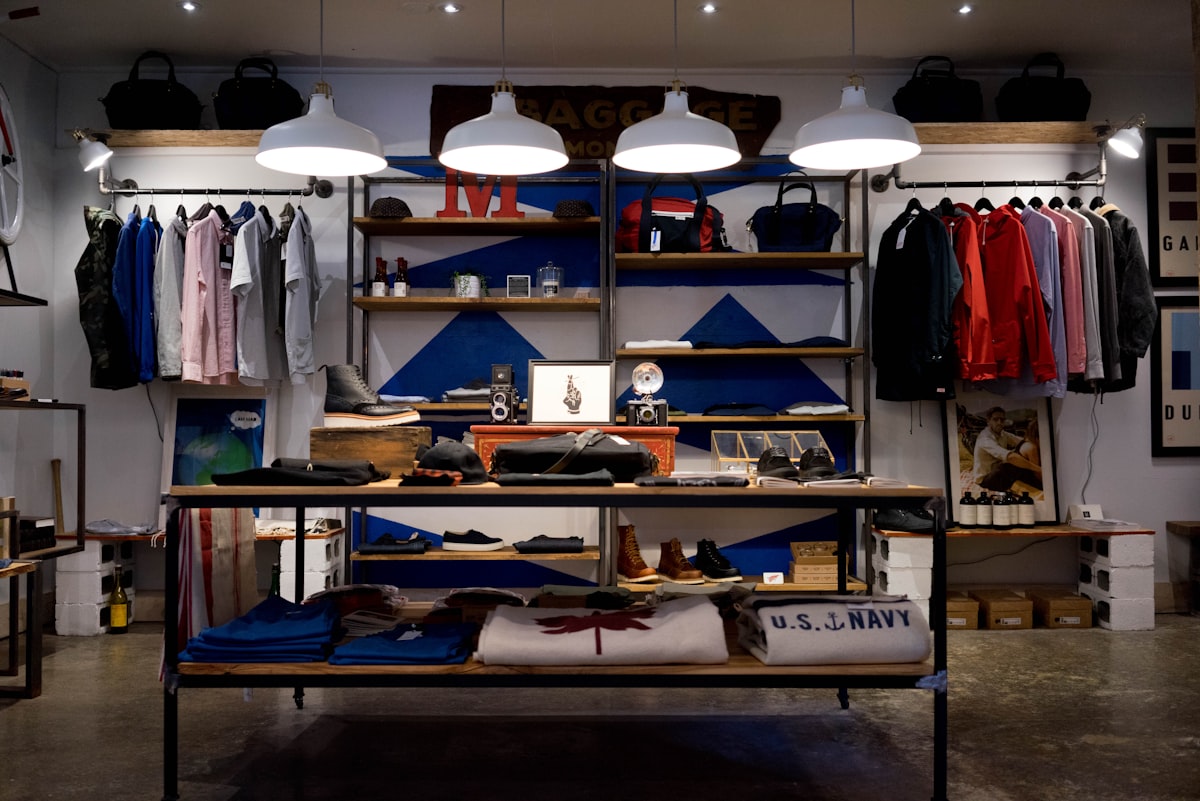 Fashion or homewares shop
A staff playlist, ads between songs on a free account, and the top OneMusic tier.
On-brand music all day, changing by itself as the day goes on, with no ads - and a lower OneMusic tier.
 Pub with TV screens
A personal streaming account through the bar PC, a TV-based OneMusic package and the Digital Copy/Delivery fee on top.
The TV-based package stays, because your screens set it, but the Digital Copy/Delivery fee goes. Two zones are included, customers request songs, and we can collect and pay your OneMusic fee at cost.
How eJukebox makes licensing simpler
A commercial background music supplier
Properly licensed to supply your music, so you are not relying on a personal account.
A lower tier for shops and service businesses
Moving off personal streaming takes you off OneMusic's top retail tier.
No Digital Copy/Delivery fee for venues
Hospitality venues stop paying the extra fee that comes with personal streaming.
We handle the paperwork for pubs and clubs
We collect your OneMusic fee and pay it on your behalf, at cost, with no margin.
Common questions about music licences
Does eJukebox include my OneMusic licence?
No, and no music supplier can. Your OneMusic licence is held by your business and paid separately. What eJukebox includes is our own licence to supply the music. For pubs and clubs we can collect the OneMusic fee and pay it on your behalf, at cost, with no margin.
Can I play Spotify or Apple Music in my business if I have a OneMusic licence?
No. Spotify, Apple Music, Amazon Music and YouTube are licensed for personal use only, and their terms rule out playing them in a business. A OneMusic licence covers the public performance, but it does not override the streaming service's own terms.
What if I just play the radio?
You still need a licence, but radio only is usually OneMusic's cheapest option. Moving from radio to any music supplier, eJukebox included, can raise your OneMusic fee, so check what applies before you switch. What you get in return is curated, ad-free music your venue controls.
How much will my OneMusic licence cost?
That is OneMusic's call, not ours. Fees depend on your type of business and how you use music, and OneMusic publishes and updates its rates every year. Check onemusic.com.au or ask OneMusic directly, and we are happy to help you work out what to ask.
Do on-hold music and music on my website need a licence too?
Yes. Both are separate uses of music that OneMusic licenses. Check with OneMusic what applies to your business.
This page is general guidance, not legal advice. OneMusic Australia sets licence types, conditions and fees, publishes its current rates, and can confirm what applies to your business.
Still not sure where you stand?
Tell us about your business and how you play music now. We will explain how licensing works for you, what changes with eJukebox, and what to ask OneMusic.
Ask us about your venueOr see plans & pricing for your venue.